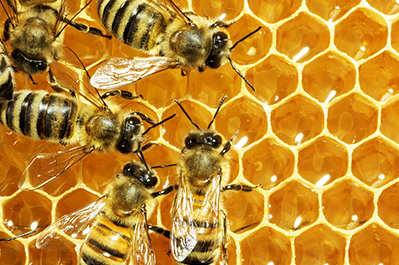

Italian honey bees (Apis Mellifera Ligustica) were introduced to the U.S. in 1859 and remain the most popular bee stock due to their extended brood-rearing periods, mild temperament, disease resistance, and high honey production. Their light coloring, from light leather to lemon yellow, is also prized by beekeepers. However, they have some drawbacks: they may consume surplus honey if not managed properly and are prone to robbing honey from weaker colonies, which can spread diseases, especially during nectar shortages.
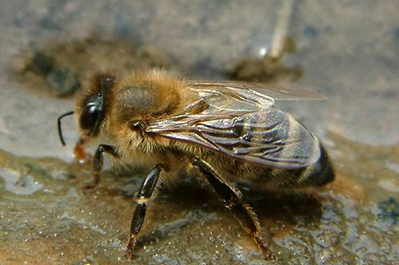
German honey bees (Apis Mellifera Mellifera) were brought to North America by European settlers in the 1600s. These bees, also called "black" bees, are dark in color and more aggressive, making them harder to manage. However, they are known for being tough and able to survive cold winters. Despite this, their aggressive nature and vulnerability to diseases like American and European foulbrood caused beekeepers to stop using them over a century ago. Once common in the wild, German honey bees are now rare due to new diseases that have wiped out many wild colonies.
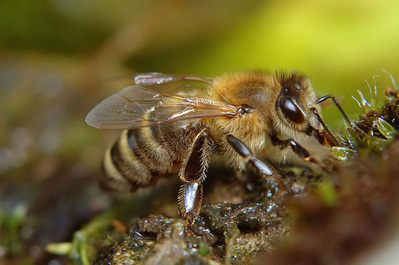
Carniolan honey bees (Apis Mellifera Carnica) from central Europe have also been a popular bee stock in the U.S. for several reasons. First, they grow their population quickly in the spring, allowing them to take advantage of early blooms. Second, they are very gentle and can be handled with little smoke and protective gear. Third, they rarely steal honey from other colonies, which helps reduce the spread of diseases. Lastly, they are excellent at building wax combs, useful for making products like candles, soaps, and cosmetics. However, because they grow so fast, Carniolan bees are more likely to swarm, which can leave beekeepers with less honey. This means beekeepers need to watch them carefully to prevent losing swarms.
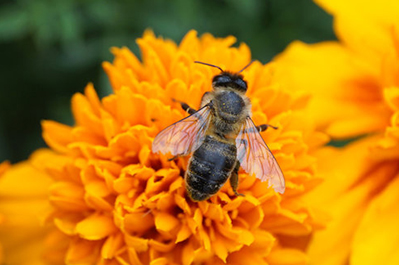
Caucasian honey bees (Apis Mellifera Caucasica) is native to the regions surrounding of the Ural Mountains near the Caspian Sea in eastern Europe. This bee was once popular in the U.S., but its use has declined in recent decades. Its most notable feature is its long tongue, which allows it to collect nectar from flowers that other bees cannot reach. Caucasian bees are moderately colored and very gentle, like Carniolan bees. However, they have a slow population buildup in the spring, which limits honey production, and they use a lot of propolis, or bee glue, making their hives harder to work with.
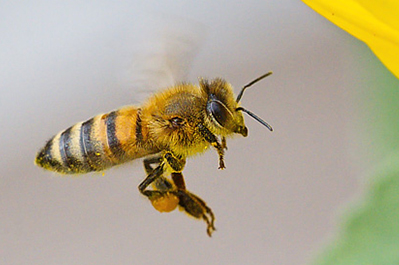
Buckfest honey bees were developed in the 1920s by Brother Adams, a monk at Buckfast Abbey in Devon, England, after acarine disease devastated bee colonies in the British Isles. He traveled the world to learn about different bee strains and created a stock, mainly from the Italian race, that could survive the cold, wet climate of the British Isles. These bees were known for their ability to produce good honey crops and for their strong housecleaning and grooming habits, which helped reduce disease. Buckfast bees are moderately defensive, but if not managed for a few generations, they can become very aggressive. Their moderate spring population growth also limits their ability to fully take advantage of early nectar flows.
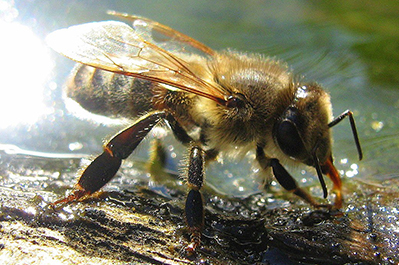
Russian honey bees were brought to the U.S. from far-eastern Russia by the U.S. Department of Agriculture. These bees, from the Primorski region, have lived with the Varroa destructor mite for 150 years, so researchers thought they might do well in the U.S. Studies showed that Russian bees are resistant to varroa, with fewer mites than other bee types. They have been available for commercial use since 2000. Russian bees only raise young when there's enough nectar and pollen, so their population changes with the environment. They are good at cleaning their hives, which helps protect them from both varroa and tracheal mites. Unlike most bees, they often have queen cells even when not swarming. They do better when kept separate from other bee types, as mixing with other strains can reduce their mite resistance.
Beekeeping Notes